
Can luck play a significant role in gambling success?
The Nature of Gambling and Luck
Gambling is inherently tied to risk and uncertainty, making the element of luck a fundamental aspect of the experience. Whether playing a game of poker, spinning the roulette wheel, or trying one’s luck in an ice fishing game, the outcomes often hinge not just on skill or strategy, but on chance. This randomness is what draws many people to gambling; the thrill of uncertainty and the hope for a favorable outcome make it an engaging pursuit. However, assessing how significant this luck truly is can lead to more profound insights into gambling dynamics.
While some games clearly involve more skill than others, such as poker, where psychological tactics come into play, others are purely based on luck, like slot machines. In the realm of gambling, luck can act as both an ally and an adversary. Understanding the varying degrees of luck’s influence across different gambling formats is essential for players seeking to navigate the complexities of chance-driven outcomes.
The Role of Skill and Strategy
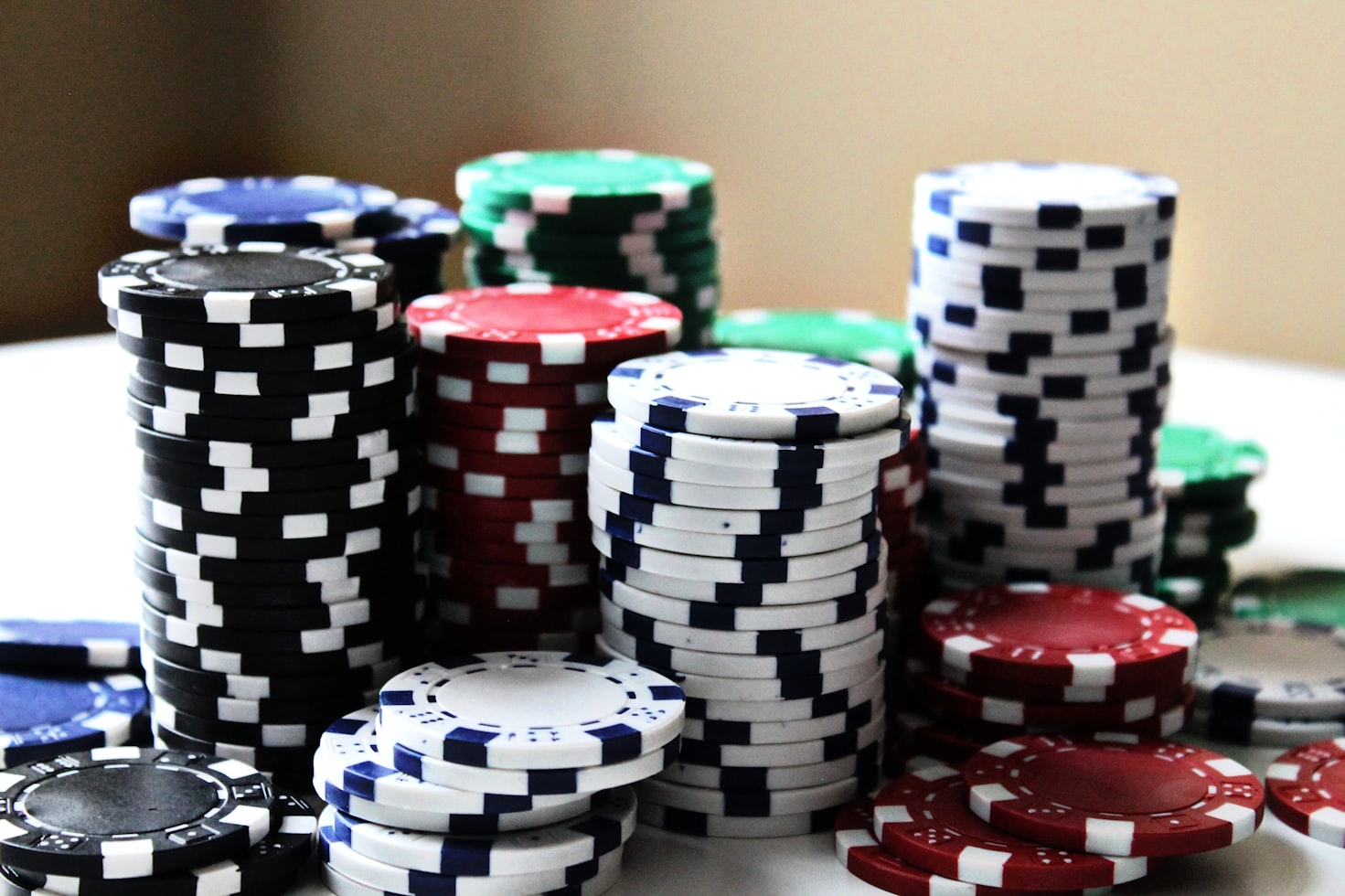
Many gamblers advocate for the importance of skill and strategy in games like blackjack and poker. These games allow players to make decisions based on probabilities and statistical analysis. An experienced player can devise strategies to minimize losses and maximize potential wins. However, even in skill-based games, luck remains a significant factor, influencing the cards dealt or the actions of opponents.
The Psychological Influence of Luck
Luck also carries a psychological weight that can affect a player’s decisions and overall behavior. The belief in luck can lead to what’s known as “the gambler’s fallacy,” where players think that past events can influence future outcomes. For instance, seeing a particular number hit multiple times may lead a player to believe it is ‘due’ for a loss. This type of thinking can lead to risky betting behavior and potentially devastating losses.

Conversely, some players may harness a strong belief in luck as a motivational tool, encouraging them to engage with gambling in a more positive light. This belief can foster a sense of hope, making the experience enjoyable despite the risks involved. Regardless of its positive or negative aspects, the psychology of luck plays a crucial role in shaping the gambling experience and influencing players’ strategies.
Statistical Evidence and Probabilities
When examining the statistical side of gambling, luck can often be quantified through probabilities. Each game has its own odds, determining the likelihood of winnings or losses. This statistical framework offers insight into how often luck can be expected to influence the outcome. In games of pure chance, such as lotteries and certain casino games, the odds are heavily favoring the house.
Moreover, understanding these probabilities can lead to more informed betting decisions. Recognizing that luck is a short-term factor, while statistics dictate longer-term trends, can help players manage their expectations. This balance between understanding luck and analyzing statistical probabilities is key to a more strategic gambling approach, enabling players to navigate their gaming endeavors with a clearer perspective.
Your Gateway to Gaming Knowledge
For those interested in expanding their understanding of gambling, this website serves as a valuable resource. It offers an array of information on different gambling games, strategies, and insights into the roles of luck and skill. Players seeking to improve their techniques or enhance their knowledge of the gambling world will find a wealth of information that can guide them towards making better choices.
In conclusion, while luck undeniably plays an influential role in gambling success, it operates in tandem with skill, psychological factors, and statistical realities. Acknowledging this interplay can empower players to engage with gambling more responsibly and enjoyably, underscoring the notion that while luck may favor some, informed choices often lead to the best results.


Leave a Reply